

I see High Foaming PP ProfileMaterial as a smart choice because it offers strong mechanical properties, excellent thermal insulation, and reliable chemical resistance. I value its lightweight nature, cost-effectiveness, and recyclability. The following table highlights these key properties:
| Property | Description |
|---|---|
| Mechanical Properties | Strong impact resistance and durability after chemical exposure |
| Thermal Insulation | Closed-cell structure keeps interiors comfortable and lowers energy costs |
| Chemical Resistance | Suitable for harsh environments due to resistance to chemicals |
| Lightweight Nature | Easier handling and transportation, improves cost-effectiveness |
| Cost-Effectiveness | Less material and energy needed, reduces shipping and maintenance costs |
| Recyclability | Supports sustainability goals and meets safety standards |
Key Takeaways
- High foamed PP profiles offer strong impact resistance and excellent thermal insulation, making them ideal for various applications.
- These profiles are lightweight and cost-effective, reducing transportation costs and improving fuel efficiency in vehicles.
- High foamed PP profiles are recyclable, supporting sustainability goals and reducing environmental impact.
What is High Foaming PP ProfileMaterial?
Structure and Production
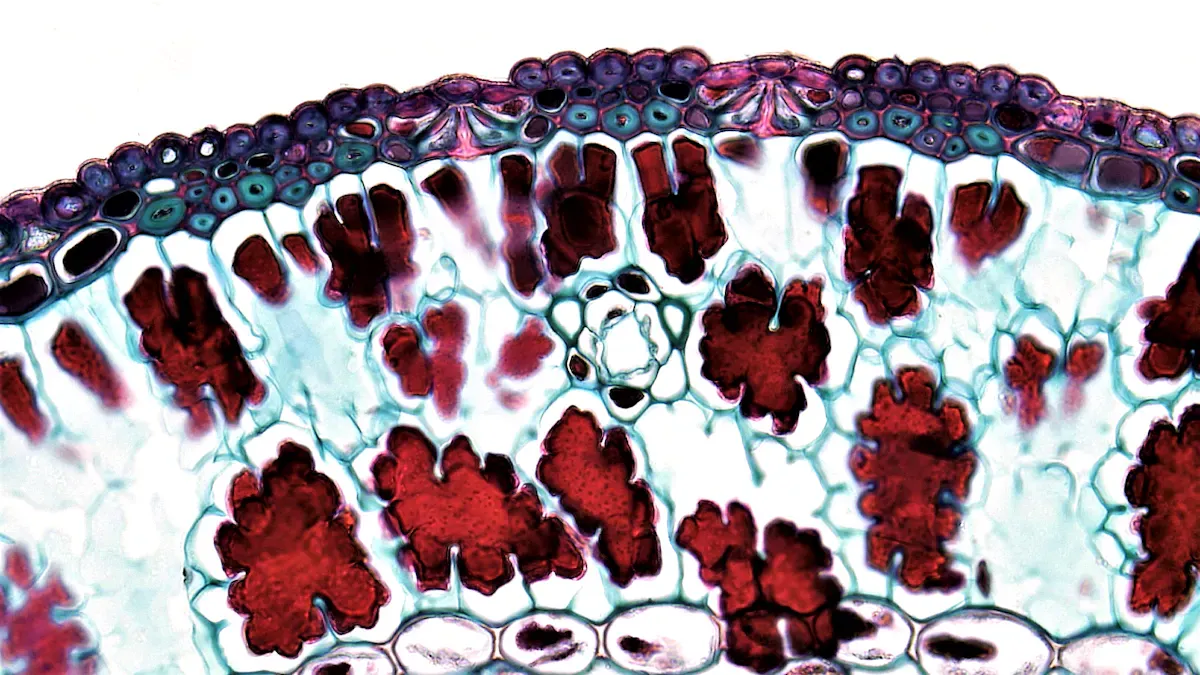
When I look at High Foaming PP ProfileMaterial, I see a material with a unique cellular structure. The foam contains many tiny air pockets, which make it lightweight and strong. Scientists describe the core layer as having cell sizes between 85 and 120 micrometers, while the outer shear layer has even smaller cells, ranging from 30 to 50 micrometers. Composite foams can have even finer and more uniform cells. Here’s a quick comparison:
| Characteristic | Neat PP Foam | Composite Foams |
|---|---|---|
| Core Cell Size | 85–120 μm | 60–80 μm |
| Shear Layer Cell Size | 30–50 μm | 10–40 μm |
| Cell Density | Non-uniform | Finer, uniform |
| Morphology | Irregular cells | Oriented, small |
To make High Foaming PP ProfileMaterial, I use several methods. These include reactive foaming, soluble foaming, pressure quench foaming, and improved compression molding. For example, I might use CO2 as a foaming agent in pressure quench foaming or azodicarbonamide in compression molding. Each method helps create the right balance of strength and lightness.
Temperature and Chemical Resistance
I trust High Foaming PP ProfileMaterial because it stands up well to heat and chemicals. It keeps its structure up to 175 °C, which means it works in many high-temperature settings. Solid polypropylene melts between 160 and 166 °C, but the foamed version can handle a bit more heat before losing its shape. I also rely on its chemical resistance. Even after soaking in strong acids, bases, or solvents for a week, it keeps almost all its strength. Only acetone causes a small drop in performance. This makes it a safe choice for harsh environments.
Key Properties of High Foaming PP ProfileMaterial
Lightweight and Density
When I work with High Foaming PP ProfileMaterial, I notice its low density right away. The material feels light in my hands, which makes it easy to move and install. This lightweight nature brings several advantages:
- I use it in car interiors, bumper systems, headrests, door panels, and battery enclosures.
- It helps reduce the overall weight of vehicles, which improves fuel efficiency.
- In electric vehicles, it protects batteries and provides thermal insulation.
- In packaging, the low density and cushioning reduce shipping costs and fuel use.
- I see fewer transportation emissions, which supports cleaner logistics.
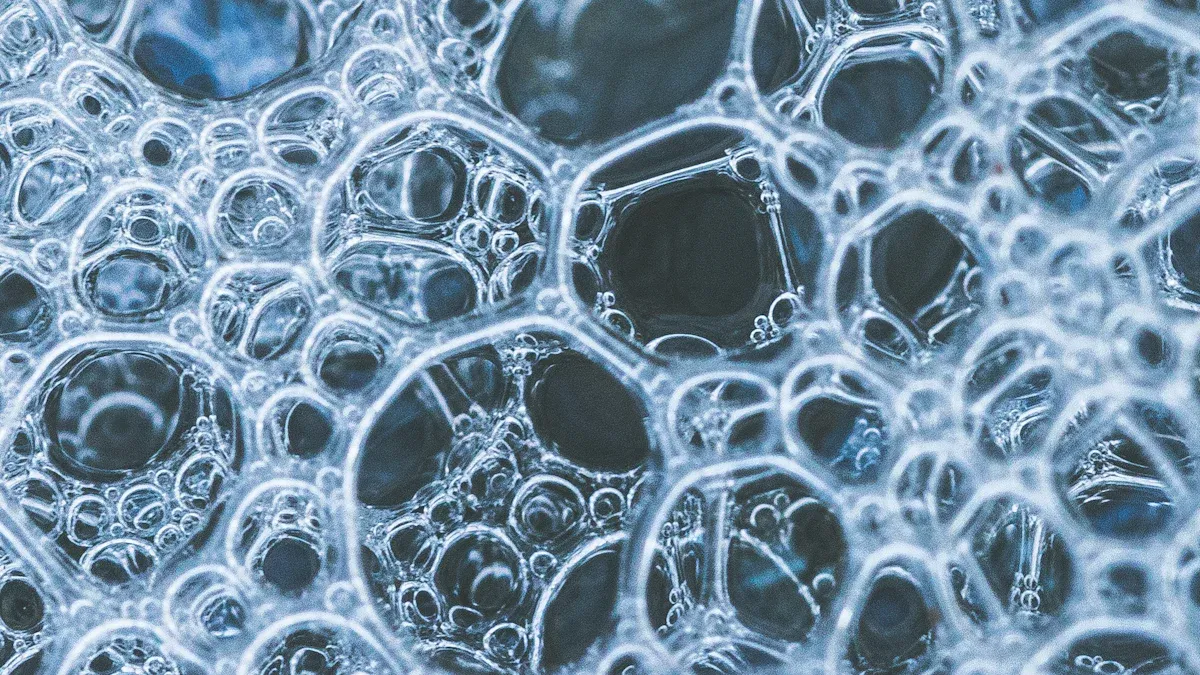
The foam structure, filled with tiny air pockets, keeps the density low. This means I can use less material without losing strength. I find this especially helpful in industries where every pound counts.
Thermal and Acoustic Insulation
I rely on High Foaming PP ProfileMaterial for its strong insulation properties. The closed-cell structure traps air, which slows down heat transfer. I have seen that compression-molded materials show better thermal performance because of their manufacturing process. Lower processing temperatures and fewer chemical emissions make them even more attractive for insulation.
Standard tests like ASTM C177 help me measure thermal conductivity. Lower values mean better insulation. I use this material in buildings and vehicles to keep interiors comfortable and energy bills low.
When it comes to sound, I notice a big difference. The foam absorbs noise, making it quieter inside cars, homes, and offices. In my experience, it can reduce noise by up to 35 decibels. This is much better than traditional materials like fiberglass, which can be harder to install and may break down over time. The open-cell structure traps sound waves, so I often choose this material for both residential and commercial soundproofing.
Mechanical Performance and Rigidity
I trust High Foaming PP ProfileMaterial for its balance of strength and flexibility. The foam’s cellular structure gives it excellent impact resistance. It resists bending and breaking, even under stress. I use it for parts that need to absorb shocks, like automotive panels and protective packaging.
Here is a table that shows how foam density affects mechanical properties:
| Property | Foam Density | Tensile Strength (MPa) | Flexural Modulus (MPa) |
|---|---|---|---|
| Unfoamed Matrix | N/A | 20.2 | 998 |
| 0.5% wt. CBA | Lower | 7.4 | 337 |
As foam density decreases, I see a drop in tensile strength and stiffness. However, the material still provides enough support for many uses. The closed-cell design also improves shock absorption and flexibility, which I find valuable in demanding environments.
I also pay attention to fire resistance. Polypropylene’s low density and high strength-to-weight ratio make it a good choice for construction. When I need extra fire protection, I use versions with fire-retardant additives. These meet strict safety standards, including ASTM E84 and UL 94 tests.
Recyclability and Sustainability
Sustainability matters to me, and High Foaming PP ProfileMaterial helps me reach my goals. The material is lightweight, durable, and fully recyclable. I use it in construction and automotive projects to lower carbon footprints and reduce waste. Its energy efficiency benefits both buildings and vehicles.
Compared to other foams, I see that high foamed polypropylene resists degradation better. Its semi-crystalline structure stands up to UV light and seawater, unlike expanded polystyrene, which breaks down more quickly. This means less environmental impact over time.
When I use recycled polypropylene, I notice that the mechanical properties depend on how well the components interact and the degree of crystallinity. Some composites even show higher stiffness and strength, which is important for performance.
Tip: Choosing High Foaming PP ProfileMaterial supports both energy efficiency and environmental goals. I recommend it for projects that demand durability, recyclability, and a lower carbon footprint.
Applications & Limitations
Industry Uses
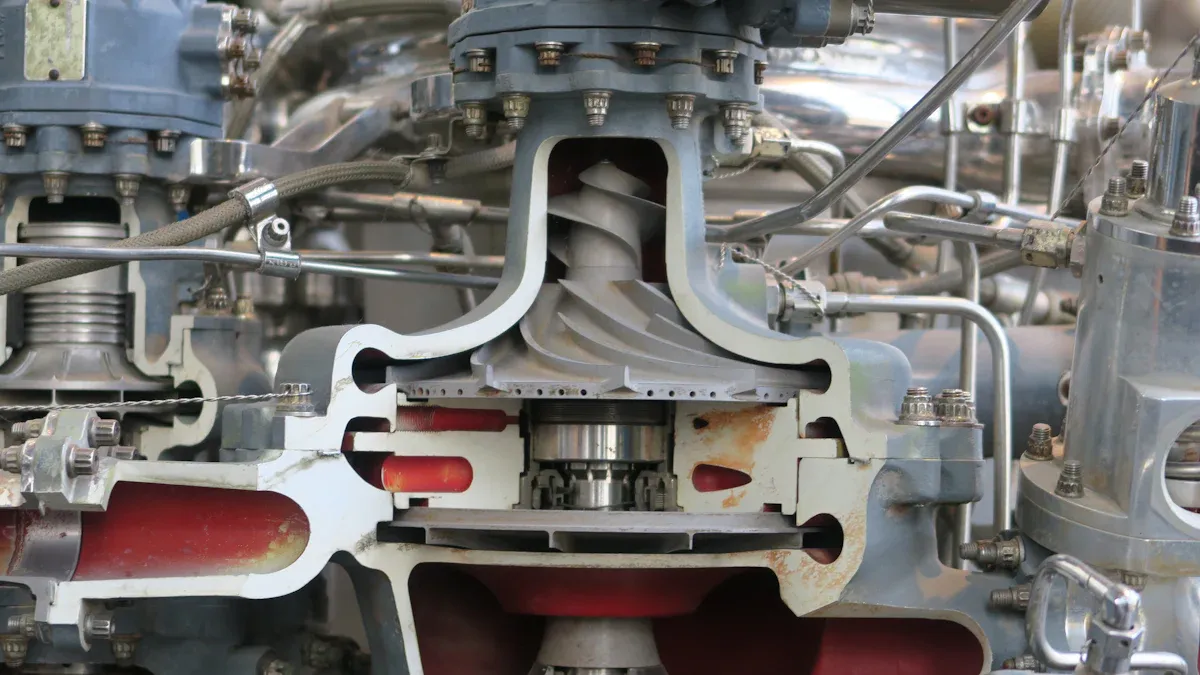
I see High Foaming PP ProfileMaterial used in many industries because of its unique properties. In the automotive field, I often use it for car door panels, trunk liners, and seat cores. These parts need to be strong and durable. The material helps reduce the weight of vehicles, which improves fuel efficiency. I also use it in planetary gearbox systems to dampen vibration and reduce noise. The closed-cell structure protects sensitive parts, so cars last longer and need less maintenance. Lower production costs and easier assembly make this material even more attractive.
In construction, I rely on this material for building insulation. It creates a barrier against heat transfer, which helps buildings use less energy for heating and cooling. I use it for soundproofing in multi-story buildings and for thermal insulation in structures with high temperatures. It works well in underfloor heating systems and metal roofing, where both thermal and sound insulation matter. The lightweight nature lowers the structural weight, so buildings need less foundational support.
For packaging, I notice that government rules push me to use recyclable and compostable materials. High Foaming PP ProfileMaterial meets these needs. Food manufacturers now choose it more often because it supports sustainability and meets strict regulations.
Performance Considerations
While I value the benefits, I also pay attention to some limits. The mechanical properties can change depending on the foam density. Lower density means less strength and stiffness, so I must select the right grade for each job. Processing methods also matter. Some require special equipment or careful control of temperature and pressure. If I do not follow the right steps, I might see defects or uneven cell structures.
Note: I always check the requirements of my project before choosing this material. It works best when I match the grade and processing method to the application.
I see high foamed PP profiles as a smart choice for many industries. These profiles offer improved stiffness, lightweight design, and strong chemical resistance. I use the table below to compare key advantages:
| Key Advantage | Application Area |
|---|---|
| Improved stiffness | Automotive components |
| Lightweight properties | Packaging, construction |
| Recyclability | Industrial packaging |
I always weigh both benefits and limits before choosing materials for my projects.
FAQ
What makes high foamed PP profiles different from regular PP?
I notice high foamed PP profiles have a cellular structure. This structure makes them lighter and better at insulating than solid polypropylene.
Can I recycle high foamed PP profiles?
Yes, I can recycle these profiles. I often send them to facilities that process polypropylene. This helps me reduce waste and support sustainability goals.
Are high foamed PP profiles safe for food packaging?
I use food-grade high foamed PP profiles for packaging. They meet safety standards and do not release harmful chemicals into food.
Post time: Jun-01-2026